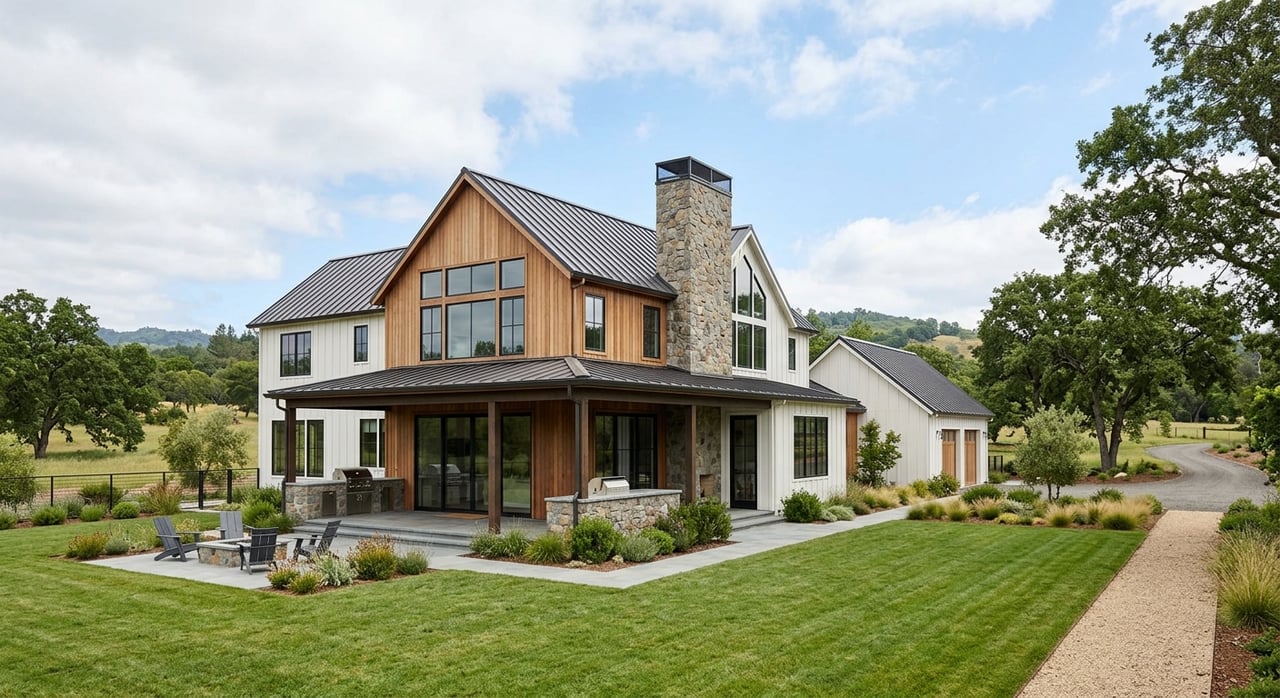
If you want more space to spread out without giving up access to Chattanooga, Ringgold deserves a close look. Buying land or a newer home with elbow room here can be exciting, but it also comes with more moving parts than many buyers expect. The good news is that when you know what to check, you can shop with more confidence and avoid costly surprises. Let’s dive in.
Why Ringgold appeals to space-seeking buyers
Ringgold sits in a spot that gives you a little more breathing room while still staying connected to the region. Local records note that U.S. Routes 41 and 76 pass through Ringgold, and Interstate 75 is accessible from Exit 348. The City of Ringgold also notes that local properties are roughly 13 to 15 miles from Chattanooga.
That mix often appeals to buyers who want land, newer construction, or a home with a larger yard. You may be looking for a custom build, a spec home, or a small acreage tract. In all of those cases, location is only part of the story.
Know the city-county difference
One of the first things to confirm is whether a parcel is inside Ringgold city limits or in unincorporated Catoosa County. That matters because zoning and utility service can differ by jurisdiction. The City of Ringgold maintains its own planning and zoning information, while Catoosa County Planning and Zoning handles county zoning and subdivision ordinances.
This can affect how a property is reviewed and what steps come next. A lot that looks simple on paper may fall under a different set of local processes depending on where the boundary lines sit. That is why checking jurisdiction early can save you time.
Look beyond lot size
A big lot does not always mean an easy build. In the Ringgold area, terrain can vary because the county lies in the Valley and Ridge province, where ridges and valleys shape site conditions. In practical terms, slope, drainage, and driveway layout can matter just as much as acreage.
That means two parcels with similar sizes may offer very different building experiences. One may be straightforward, while another may require more planning for grading, access, or drainage. If you are chasing elbow room, it helps to think in terms of usable land, not just total land.
Start with parcel verification
Before you spend money on due diligence, verify the parcel details. The Catoosa County Tax Assessor maintains ownership, appraisal, mapping, and tax-digest records, and the county offers a Property Record Search through that office. This is one of the best first stops for confirming acreage, ownership, and basic parcel information.
That simple step can help you match the listing details to the public record. It also gives you a stronger starting point for asking questions about access, utilities, and future plans for the site.
Check utilities early
Utility service is a major piece of the puzzle when buying land or a newer home in the Ringgold area. Catoosa Utility District provides water to unincorporated Catoosa County and surrounding areas, while the City of Ringgold has its own water and sewer department. Because service can vary by parcel, you will want clarity before moving forward.
You should also confirm whether the property will connect to sewer or rely on septic. Catoosa County treats septic approval and sewer approval as separate paths in its permit requirements. That distinction can affect timing, design, and overall feasibility.
What buildable really means
For many buyers, the biggest question is simple: can you actually build what you want there? In Catoosa County, a residential new-construction permit requires a long list of approvals and documents before it is accepted. These include an 811 ticket, a 911-assigned address, stormwater approval, zoning approval, environmental health approval for septic tanks, sewer approval if applicable, a site plan showing the home location and driveway, and contractor and subcontractor information.
The county also states that a permit is not valid until all requirements are met and fees are paid. In real-life terms, that means a property can feel perfect and still face practical limits. Septic approval, setbacks, driveway access, and drainage can all affect whether your plan works.
Ask about driveway access early
Driveway access is easy to overlook when you first walk a property. In Catoosa County, the Transportation Department handles right-of-way and driveway permitting. That makes access a question to raise early, not late.
This is especially important on land that sits off a busier corridor or has unusual frontage. If your future home site looks great but the driveway design is challenging, that can change your plans quickly. A little early investigation can go a long way.
Stormwater and drainage matter more than many buyers think
If you are buying a larger tract or planning substantial site work, stormwater review may come into play. Catoosa County states that land-disturbance sites creating 5,000 square feet of impervious surface or disturbing an acre or more of soil must follow the county stormwater manual. The county also offers flood-map viewer tools and on-site technical assistance for flooding or drainage concerns.
That is one reason land shopping should include more than a view and a boundary line. Drainage patterns, runoff, and site disturbance can influence cost and design. In the Ringgold area, that is especially relevant because the terrain is not uniformly flat.
Why newer homes often sit outside tighter in-town areas
If you have noticed that many newer homes with more spacing tend to sit outside the tightest in-town blocks, there is a practical reason for that. Catoosa County subdivision development follows a structured process that includes engineered drawings, pavement design, preliminary plat approval, road designation as public or private, and final approval before construction and final plat acceptance.
The county development guidelines also require a preconstruction meeting with contractors, building, and stormwater officials before a permit is issued for a new subdivision location. In short, newer communities are shaped by detailed site-specific decisions about roads, drainage, and utilities. That process helps explain why some of the roomier options are found beyond the most compact parts of town.
Keep commuter convenience in view
More elbow room does not have to mean feeling cut off. Ringgold remains closely tied to Chattanooga, and that regional access is part of its appeal. Routes through the area include U.S. 41 and 76, and Interstate 75 access supports commuting and day-to-day travel.
Many familiar corridors in the area, including Highway 151, Battlefield Parkway, Highway 41, Cloud Springs Road, Highway 27, and Catoosa Parkway, are listed by the county as state routes. That is a useful reminder that some road-related questions may involve state-managed corridors rather than county-maintained roads.
For some trips, there are also limited transit-related options to know about. Catoosa County Trans-Aid states that its service travels to downtown Chattanooga hospital areas and to Gunbarrel and Shallowford Road for medical appointments. While most buyers here still plan around driving, it helps to understand the broader transportation picture.
A smart checklist for Ringgold land buyers
When you are comparing land or newer homes with room to spread out, keep this checklist handy:
- Confirm whether the parcel is inside Ringgold city limits or in unincorporated Catoosa County
- Verify parcel details through the Catoosa County Tax Assessor records
- Ask whether the property is served by city sewer, another sewer option, or septic
- Review likely driveway and road-access needs early
- Consider slope, drainage, and usable build area, not just total acreage
- Ask whether stormwater review may apply based on the scope of your build
- Check whether a site plan will support your preferred home placement and driveway layout
How Jooma Homes helps simplify the process
Buying land or a newer home with elbow room can feel like a lot to sort through, especially when each parcel may involve different zoning, utility, and site questions. That is where a local, lot-to-key mindset matters. You want guidance that looks at the whole picture, not just the listing photos.
At Jooma Homes, we help buyers think through the practical side of land and new construction in the greater Chattanooga and North Georgia area. Whether you are comparing a buildable lot, exploring a custom-home path, or searching for a newer home with more space, we can help you move from idea to plan with more clarity.
If you are ready to start your From-Dirt-to-Doorstep journey in Ringgold, connect with Jooma Homes LLC.
FAQs
What should you verify before buying land in Ringgold?
- You should verify parcel ownership, acreage, jurisdiction, utility service, sewer or septic path, driveway access, and any likely zoning or stormwater review.
Why does city versus county location matter for Ringgold property?
- A parcel inside Ringgold city limits may fall under different zoning and utility systems than a parcel in unincorporated Catoosa County.
Does a large lot in Ringgold always mean it is easy to build on?
- No. Slope, drainage, driveway design, setbacks, and septic or sewer requirements can all affect whether a lot is practical for your plans.
What approvals are needed for new residential construction in Catoosa County?
- The county requires multiple items before a permit is accepted, including an 811 ticket, 911 address, stormwater approval, zoning approval, septic or sewer approval, a site plan, and contractor information.
Why are some newer homes with more space located outside central Ringgold?
- County subdivision review involves site-specific decisions about roads, drainage, utilities, and approvals, which often shapes where roomier newer communities are developed.
How far is Ringgold from Chattanooga?
- Local city information says Ringgold-area properties are about 13 to 15 miles from Chattanooga, and the area also has access to Interstate 75 and U.S. Routes 41 and 76.
