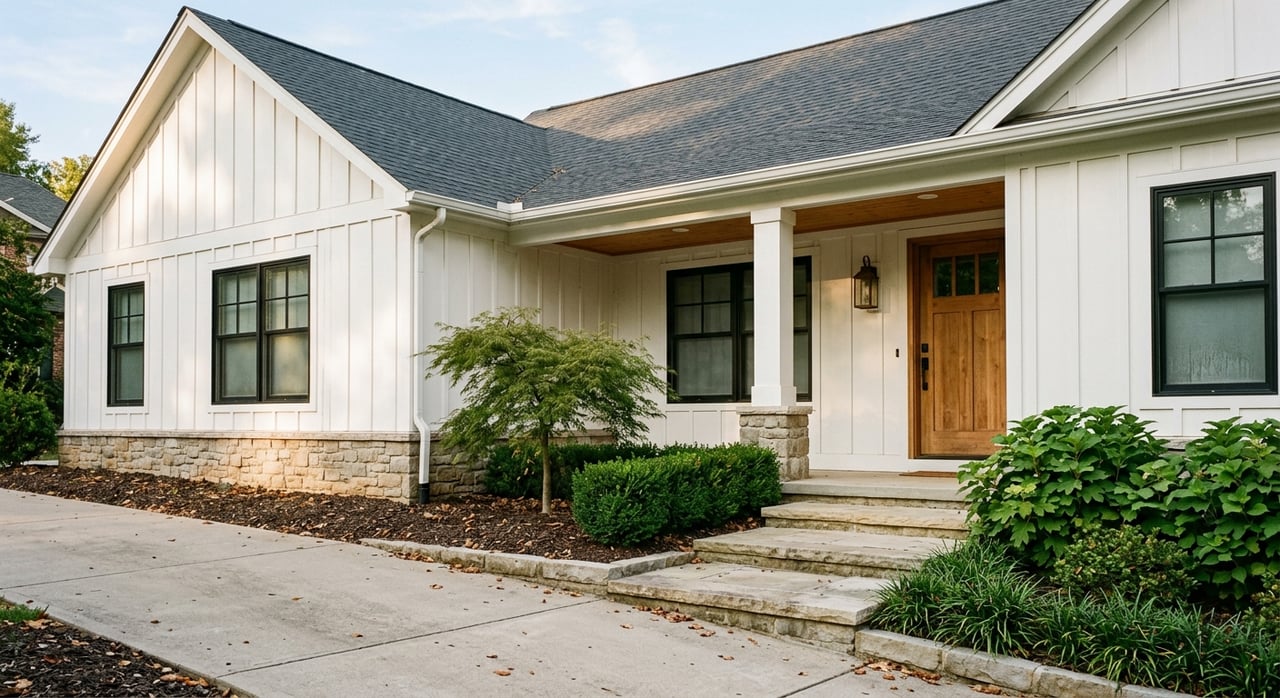
Thinking about trading square footage for simplicity without giving up comfort or long-term value? Signal Mountain often catches the eye of downsizers who want a quieter mountain setting near Chattanooga, but it is not a bargain move and it is not a one-size-fits-all choice. If you are considering a smaller home, a lower-maintenance setup, or a better fit for your next season of life, this guide will help you understand what to expect in Signal Mountain and what to look for before you buy. Let’s dive in.
Why Signal Mountain appeals to downsizers
Signal Mountain sits on Walden’s Ridge at the southern end of the Cumberland Plateau, overlooking Chattanooga and the Tennessee River Valley. That ridge-top setting gives it a distinct mountain-suburb feel while keeping you connected to the larger Chattanooga area.
For many downsizers, that balance is the draw. You may be ready to give up unused rooms or a demanding yard, but still want privacy, scenery, and a strong sense of place. Signal Mountain offers that kind of setting, with the convenience of being part of Greater Chattanooga.
The local housing profile also supports its appeal for right-sizing buyers. Census data shows an owner-occupied housing rate of 87.9%, and 24.6% of residents are age 65 or older. Those numbers suggest a market with many long-term homeowners and a meaningful older-adult presence.
It is also important to go in with realistic expectations on price. The median owner-occupied home value is $544,300, with median monthly owner costs of $2,397 for owners with a mortgage and $757 for owners without one. In other words, Signal Mountain is better framed as a premium right-sizing destination than a low-cost alternative.
What homes you are likely to find
If you are downsizing to Signal Mountain, you will mostly be shopping in a detached single-family market. Point2Homes, using Census data, reports that 89.2% of housing units are detached single-family homes and 89.7% of occupied units are owner-occupied.
That matters because downsizing here often does not mean moving into a dense condo environment. More often, it means finding a smaller or more manageable house, possibly with less interior space or a more practical layout, while still keeping a traditional residential feel.
You should also expect a mix of older homes and select newer custom-home pockets. Point2Homes reports a median construction year of 1976, with 8.4% of homes built before 1940 and 4.5% built in the 1940s. The town’s history also notes that by 1925, about 200 homes had already been built in what is now the Old Town District.
For you as a buyer, that age mix can create opportunity. Older housing stock may offer one-level or near-one-level living in established areas, which can be appealing when you want easier daily living. At the same time, older homes may come with dated layouts or systems that deserve a closer look during due diligence.
Signal Mountain is not only older in-town homes, though. The market also includes newer, higher-end custom-home areas, including communities with wooded lots and brow-lot settings. That means your options may range from established homes with character to custom properties with more modern features.
Terrain matters more than you think
One of the biggest lifestyle factors on Signal Mountain is the terrain. The ridge-top setting and wooded development pattern mean many homes come with slopes, elevation changes, and site-specific features that can shape your day-to-day experience.
If you are downsizing for convenience, this deserves close attention. A home may have the right square footage but still feel high-maintenance if the driveway is steep, the lot is hard to navigate, or outdoor areas require more upkeep than you want.
In practical terms, mountain lots can bring extra considerations like drainage, tree maintenance, retaining walls, and outdoor access. Those issues will not affect every property the same way, but they are often more important here than in flatter suburban areas.
This is where a thoughtful definition of downsizing helps. A smaller home is only part of the equation. You may be happier in a home that offers easier access, more usable outdoor space, and fewer maintenance tasks, even if the square footage reduction is modest.
Daily life is more driving-based
Signal Mountain offers a scenic setting, but it is not a highly walkable, errands-on-foot kind of place. Point2Homes reports that 73.6% of workers commute by personal vehicle, while only 1.9% walk to work.
For downsizers, that is not necessarily a drawback. It is simply a lifestyle reality to factor in. If you want easy access to appointments, shopping, social plans, or regular services, you will want to think carefully about how a specific property fits your routine.
This is especially important if your goal is to simplify life. The right home in the wrong location for your habits may not feel simpler once you move in. When you tour homes, it helps to picture your weekly rhythm, not just the house itself.
Utility due diligence should come early
On Signal Mountain, utility questions should be near the top of your checklist. The Hamilton County WWTA says its Signal Mountain sewer improvements plan includes treatment-plant upgrades, gravity line rehabilitation, pump stations, and low-pressure sewer conversions.
WWTA also states that Tennessee law can require sewer fees when sewer is available, even if a home is not connected. That makes sewer availability and service status a property-specific question you should verify early in the process.
For a downsizer, this is more than a technical detail. Utility setup can affect your monthly costs, future planning, and overall confidence in the purchase. It is worth getting clear answers before you get too far down the road.
How to choose the right downsizing home
Downsizing works best when you focus on daily livability, not just a smaller footprint. In Signal Mountain, the most appealing homes for many right-sizing buyers are likely to balance mountain character with practical convenience.
As you compare options, look closely at features that support easier living:
- One-level or near-one-level daily living
- Manageable lot size and outdoor upkeep
- Easier driveway access
- Usable outdoor areas
- Clear utility and sewer information
- Layouts that reduce wasted space
- Condition of major systems in older homes
You may also want to think about resale from the beginning. Based on Signal Mountain’s geography, lot mix, and housing profile, homes with manageable access and fewer maintenance headaches are likely to have broader appeal than homes that create extra work.
Signal Mountain versus a lower-cost move
If your main goal is to cut housing costs dramatically, Signal Mountain may not be the best fit. Compared with Chattanooga city, it sits in a higher-value bracket, and local data supports the idea that this is a more established, higher-priced market.
That does not mean it is the wrong choice. It simply means the value proposition is different. Many buyers choose Signal Mountain because they want to right-size into a setting that still feels special, stable, and connected to the Chattanooga area.
A successful move here often looks less like “spend less at all costs” and more like “live better with less to manage.” If that is your goal, Signal Mountain may be worth a serious look.
What to keep in mind before you buy
Before you make a move, it helps to define what downsizing means for you personally. Are you trying to reduce maintenance, simplify your layout, stay near Chattanooga, or protect long-term value in a well-established market? Your answer will shape the right home search.
Signal Mountain can be a strong fit if you want a mountain setting, a mostly owner-occupied community, and housing options that include both established homes and newer custom properties. But because of the terrain, price point, and utility questions, it pays to shop with a clear plan.
At Jooma Homes, we believe the best real estate decisions start with local context and honest guidance. If you are thinking about downsizing in Signal Mountain or anywhere in Greater Chattanooga, Jooma Homes LLC can help you compare options and find a home that truly fits your next chapter.
FAQs
Is Signal Mountain a good place for downsizing near Chattanooga?
- Yes. Signal Mountain can be a strong choice if you want a smaller or easier-to-manage home in a mountain setting near Chattanooga, but it is generally better viewed as a premium right-sizing market rather than a low-cost move.
What types of homes are common in Signal Mountain for downsizers?
- Most homes in Signal Mountain are detached single-family properties, and many buyers will find a mix of older established homes and some newer custom-home options.
Does Signal Mountain terrain affect home maintenance?
- Yes, it can. Sloped lots, wooded settings, driveway grade, drainage, and retaining walls may all play a bigger role here than they would in flatter areas.
Should Signal Mountain buyers check sewer availability before buying?
- Absolutely. Hamilton County WWTA notes active sewer improvement work in the area, and sewer availability or service status should be verified for each property early in the process.
Is Signal Mountain a walkable area for daily errands?
- In most cases, no. Local commute data suggests daily life is largely car-oriented, so it is smart to consider how each home fits your regular driving needs.
