Wondering if you can still find a true starter home in Red Bank without giving up convenience or stretching your budget too far? You are not alone. Many buyers want an in-town feel and a manageable price, but they also need clear guidance in a market that can move fast. This guide will help you understand where starter homes tend to show up in Red Bank, what to watch for, and how to prepare to buy with confidence. Let’s dive in.
Why Red Bank Appeals to Starter Buyers
Red Bank is a small inner-ring city in Hamilton County just north of downtown Chattanooga. According to the City of Red Bank planning materials, it covers about 6.4 square miles, and Census QuickFacts cited there list a population of 11,899 and median household income of $63,983.
For many first-time buyers, Red Bank stands out because it offers a close-in location at a lower price point than several nearby in-town areas. Based on the market snapshot in the research, Red Bank sits roughly in the mid-$200,000s to low-$300,000s depending on the home’s condition, size, and data source. That price range can make it a practical option if you want to stay near Chattanooga without targeting some of the area’s higher-priced neighborhoods.
What Starter Homes Look Like
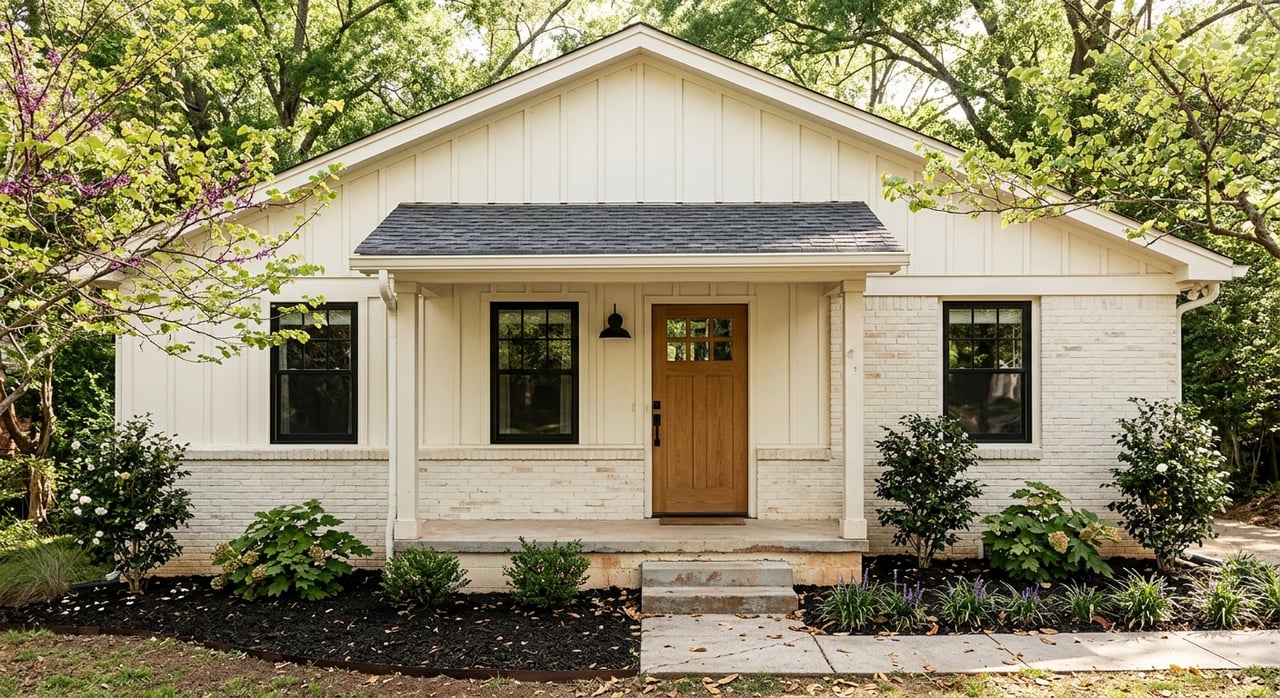
In Red Bank, starter homes are often not brand-new houses. Instead, they tend to be older cottages and bungalows on established streets, with practical floor plans and smaller footprints.
Many current examples highlighted in the research fall around 1,100 to 1,500 square feet. These homes often feature details buyers still love today, such as front porches, hardwood floors, fenced yards, and layouts that make smart use of space.
You may also see a mix of housing types in Red Bank. Alongside older infill homes, the research notes newer cottage-style options like The Cottages at Ashmore, which shows that Red Bank can offer both classic starter-home character and newer low-maintenance choices.
Where Lower Price Points May Appear
If you are searching for a starter home in Red Bank, it helps to know that pricing can vary even within a small area. The research report notes that some tracker-defined areas currently show lower typical values than others, including Lupton City, Fairfax Heights, and Manchester Park, while Stuart Heights tracks higher.
These labels come from a market tracker, so they are best used as general guidance rather than strict boundaries. Still, they can help you focus your search on parts of Red Bank where entry-level price points may be more likely to appear.
How Red Bank Compares Nearby
One reason buyers keep Red Bank on their shortlist is value. The research shows Red Bank’s recent median sale price at $236,000, compared with Chattanooga overall at $350,000, North Chattanooga at $460,000, St. Elmo at $420,000, and Southside at $430,000.
That does not mean Red Bank is the only budget-conscious option. The same research points to East Chattanooga at $237,500 and Avondale at $234,900 as closer in price. What Red Bank offers, though, is a useful mix of in-town access, established housing stock, and a price point that can compare favorably with several nearby areas.
Expect a Competitive Search
Even though Red Bank is more affordable than some nearby neighborhoods, you should still expect competition. The research indicates homes are averaging about 29 days on market, and many listings receive multiple offers.
For you as a buyer, that means preparation matters. Waiting until you find the perfect house to start the financing process can put you behind other buyers who are already ready to write an offer.
Get Preapproved Early
One of the smartest first steps is getting a preapproval letter. The Consumer Financial Protection Bureau explains that sellers often require preapproval, and it is based on lender assumptions rather than a guaranteed loan. The CFPB also notes that preapprovals typically expire after 30 to 60 days.
A preapproval helps you shop with real numbers in mind. It also signals to sellers that you are serious, which can matter in a market where multiple offers are possible.
Look Beyond the Price Tag
If you are budget-conscious, the list price is only one part of the picture. A lower-priced home may still cost more month to month if it needs repairs, carries higher insurance costs, or has site issues that affect maintenance.
That is especially important in Red Bank, where many starter homes are older. A charming bungalow can be a great fit, but you want to judge it by total monthly cost, not just the number on the listing.
Focus on Older-Home Inspections
Because Red Bank starter homes are often older, your inspection matters a lot. According to Freddie Mac’s home inspection guidance, key systems to review include the roof, plumbing, electrical components, heating and air conditioning, ventilation, windows, fireplace and chimney, foundation, attic insulation, basement, and floors.
This is where a lower purchase price can sometimes come with tradeoffs. Cosmetic updates are one thing, but major system issues can change your budget fast.
A strong inspection can help you make a better decision by showing what is simply aging and what may need near-term repair. It can also give you leverage if problems surface before closing.
Keep Key Contingencies
In a competitive market, buyers sometimes feel pressure to make cleaner offers. Still, the research report points to guidance from both the CFPB and Freddie Mac recommending that buyers keep financing and inspection contingencies when possible, especially when purchasing older homes.
The CFPB advises that contingencies can protect you if financing falls through or if the inspection reveals major issues. For a starter-home buyer trying to protect savings, that safety net can be very important.
Watch for Lead Paint in Older Homes
If you are buying a home built before 1978, lead-based paint is something to take seriously. The EPA states that older homes are more likely to contain lead-based paint, and buyers of most pre-1978 homes have a right to lead-based-paint information before signing a contract.
If you plan to repaint, renovate, or make repairs after closing, the EPA also says that work in pre-1978 homes should be handled by lead-safe certified contractors. That is important for both health and budgeting.
Ask About Flood and Drainage
Flood and drainage are also worth careful attention. The research report notes that climate-risk data flags Red Bank as having major flood risk, with 25% of properties at risk of severe flooding over the next 30 years.
That does not mean every property carries the same risk. It does mean you should ask direct questions about the exact parcel, drainage patterns, and potential insurance costs before moving forward.
The CFPB recommends asking about flood and disaster risk before you buy. For starter-home shoppers, those details can affect affordability now and resale later.
Explore Financing Help in Tennessee
If down payment funds are one of your biggest hurdles, Tennessee buyers may have options worth exploring. The Tennessee Housing Development Agency’s Great Choice Home Loan program offers many loans with up to 96.5% financing, and Great Choice Plus assistance can be used toward down payment and or closing costs.
The research report notes current assistance options including a deferred $6,000 option or an amortizing option up to 5% of the sales price, capped at $15,000. Programs have eligibility rules, but they can be a meaningful tool if you are trying to enter the market sooner.
Pay Attention to Long-Term Value
Starter homes are often about getting in the market, but resale still matters. Red Bank’s planning direction could shape long-term value over time.
According to the City of Red Bank community development report, the city adopted its 2045 comprehensive plan in June 2025, and land-use regulations are being updated to support housing, connectivity, and multimodal transportation. For you, that means it is worth thinking not just about today’s price, but also about how the area may continue to evolve.
A Simple Red Bank Starter-Home Plan
If you want to keep your search focused, start with a simple plan:
- Get preapproved before touring seriously.
- Target homes that fit your monthly budget, not just your maximum price.
- Look closely at older cottages and bungalows, since that is where many starter options appear.
- Keep inspection and financing protections in place when possible.
- Ask about flood risk, drainage, and insurance costs early.
- Review Tennessee assistance programs if cash to close is your biggest challenge.
Buying your first home in Red Bank can absolutely be doable with the right strategy. You do not need to know everything on day one, but you do need a clear plan, realistic expectations, and guidance that keeps your long-term goals in view.
If you want help sorting through Red Bank starter-home options and building a smart game plan, connect with Jooma Homes LLC. We are here to guide you with local insight, clear communication, and a high-touch approach from search to closing.
FAQs
What price range should you expect for a starter home in Red Bank?
- Based on the research report, Red Bank generally falls in the mid-$200,000s to low-$300,000s, depending on the home and the data source.
What types of starter homes are most common in Red Bank?
- Many starter-home options in Red Bank are older cottages and bungalows with compact layouts, established lots, and features like porches, hardwood floors, and fenced yards.
What should you inspect when buying an older Red Bank home?
- Key items include the roof, plumbing, electrical, HVAC, ventilation, windows, foundation, attic insulation, basement, and floors, based on Freddie Mac’s home inspection guidance.
What financing help may be available for Red Bank first-time buyers?
- Tennessee buyers may be able to use THDA’s Great Choice Home Loan program and down payment assistance options, depending on eligibility.
What flood-risk questions should you ask about a Red Bank property?
- You should ask about the specific parcel’s flood exposure, drainage, insurance costs, and any known disaster-risk concerns before moving forward.
Why do Red Bank starter homes move quickly?
- The research report shows Red Bank remains competitive, with homes averaging about 29 days on market and many listings receiving multiple offers.
