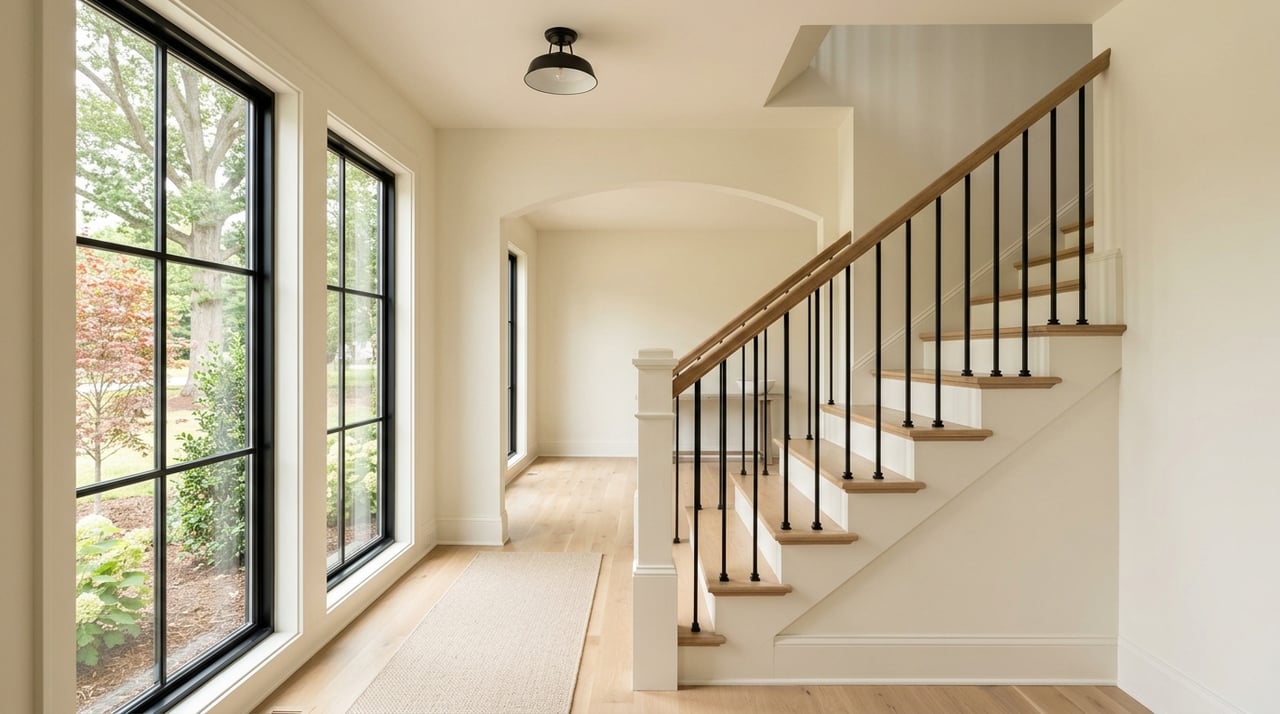
Thinking about building instead of buying resale? If you want more space, a more personalized home, and a setting that feels a little more open than a tight in-town neighborhood, Apison may already be on your radar. The big question is whether it is the right fit for your build, your budget, and your long-term plans. This guide will help you weigh the pros, the tradeoffs, and the lot details that matter most before you move forward. Let’s dive in.
Why Apison stands out
Apison stands out for buyers who want a custom or semi-custom home on a larger homesite in southeast Hamilton County. Based on current land listings, the area reads more like an acre-plus homesite market than a tight infill market, which can be a strong fit if you want more breathing room around your home.
It is also part of an area seeing ongoing planning attention. Hamilton County notes that Apison falls within a southeast planning zone that includes unincorporated Collegedale and East Brainerd, which suggests it sits within an active growth corridor rather than a fully static outer edge market.
For many buyers, that mix matters. You get a location tied to the broader eastern Hamilton County area, while still having access to homesites that can better support a design-forward build.
What custom-home buyers like about Apison
One of the biggest reasons buyers consider Apison is space. Current listing data from LandWatch shows active land inventory with examples ranging from about 1.06 to 3.5 acres, and nearby results reported by land portals suggest an average property size around 2.4 acres.
That does not guarantee every available parcel will fit your plans, but it does help frame the market. If you want room for a larger footprint, outdoor living, or a home that does not feel packed onto a small lot, Apison can be worth a closer look.
The area also benefits from nearby recreation and access to major employment corridors. Apison Park includes a pavilion, dog run, horseshoe pits, tennis courts, and a walking track, while Enterprise South Nature Park offers thousands of acres and 40 miles of trails in the broader area.
From a practical standpoint, Apison is also connected to east Hamilton County job centers. Hamilton County describes Enterprise South Industrial Park as a major industrial site with I-75 access, on-site rail, and public utilities, and notes that the nearby Volkswagen Chattanooga plant is part of the local economy.
Lot selection matters more here
In Apison, not all land is equal. Two parcels with similar acreage can have very different build potential depending on road access, utility availability, and recorded restrictions.
That is why the lot itself matters just as much as the house you hope to build. A beautiful homesite can become far more complicated if the access is unclear, the utility path is uncertain, or deed restrictions limit what you can do.
Before you fall in love with a piece of land, it helps to think about the lot in terms of buildability, ease, and future resale. Those three factors tend to shape whether your custom build feels smooth or stressful.
Access can shape what is buildable
Road access is one of the first things to verify. Under Hamilton County subdivision regulations, residential lots under 5 acres must front on a county-accepted and county-maintained road or a county-standard private road.
For lots that are 5 acres or larger, a permanent easement may be allowed if width and platting standards are met. The county also notes that private easements remain privately maintained, and the county is not responsible for services beyond the public road.
That may sound technical, but it matters in real life. If your homesite access depends on a private easement, you want to understand not only whether it is legally sufficient, but also how it may affect maintenance, utility planning, and day-to-day convenience.
Utilities can change your budget fast
Utility availability is another major piece of the puzzle. A lot that appears affordable at first glance may require added work or added cost depending on whether public water, sewer, or septic options are available.
According to Hamilton County regulations, if a lot does not have public water, the county requires a minimum lot size of 25,000 square feet plus Groundwater Protection approval. The county also notes that septic systems can require additional lot area, which means usable build space is not always as simple as total acreage.
Sewer service also requires careful confirmation. The county notes that WWTA is not responsible for sewers in Chattanooga or Collegedale, so you should verify the parcel’s exact jurisdiction before assuming county sewer availability.
In plain terms, you want answers to questions like these early:
- Is public water available?
- Is sewer available, or will the lot require septic?
- If septic is needed, has the lot been reviewed for that use?
- Are there added approvals needed before you can build?
Permits and county review are part of the process
If you are building in unincorporated Hamilton County, there is a formal process behind the scenes. The county’s Building Inspection Department enforces building, plumbing, electrical, mechanical, and gas codes and issues permits for new work.
At the same time, Development Services coordinates zoning, platting, subdivision requests, septic permits, and land disturbance permits. That means your custom build is not just about choosing a floor plan. It is also about making sure the lot, the improvements, and the approvals line up correctly.
This is one reason many buyers benefit from guidance before they close on land. It is usually easier to prevent a lot problem than to solve one after you already own the parcel.
Restrictions matter before you buy
One of the most overlooked parts of buying land is checking the recorded restrictions tied to the property. Even if a lot looks ideal on paper, recorded covenants, plats, or HOA documents may affect what you can build and how the property can be used.
Hamilton County’s Register of Deeds records deeds and plats, and the research here supports the importance of verifying recorded documents before closing. That is especially important if you have a specific vision for home size, style, outbuildings, or other site improvements.
For resale, clarity also matters. Lots with well-documented access, utility status, and restrictions are generally easier for future buyers to understand and evaluate.
A simple Apison lot checklist
Before making an offer on land in Apison, make sure you verify these basics:
- The parcel’s exact jurisdiction
- Road frontage or easement details
- Whether access meets county requirements
- Public water availability
- Sewer versus septic path
- Whether the lot needs county lot review
- Recorded plats, deed restrictions, and CC&Rs
- Any HOA documents that affect the build
This checklist is a practical summary of the county rules and records sources above. It is also one of the smartest ways to reduce surprises during a custom-home project.
Is Apison right for your build?
Apison can be a strong fit if you want more land, a custom or semi-custom home, and a location tied to southeast Hamilton County’s broader growth and employment corridor. It is especially appealing if you value a homesite market that feels more spacious than a typical in-town subdivision.
The tradeoff is that due diligence matters here. In Apison, the best opportunities often go to buyers who are willing to look closely at access, utility paths, and recorded restrictions before they commit.
If that sounds like your approach, Apison may be one of the better places in the Chattanooga area to explore a from-dirt-to-doorstep home plan. If you want help evaluating lots, comparing build options, and navigating the path from land search to finished home, Jooma Homes LLC is here to guide you.
FAQs
Is Apison a good place for a custom home build?
- Apison can be a good fit if you want a larger homesite and a custom or semi-custom build in southeast Hamilton County, but each lot should be reviewed closely for access, utilities, and restrictions.
What lot size is common in the Apison land market?
- Current listing data suggests Apison often functions more like an acre-plus homesite market, with examples around 1.06 to 3.5 acres and nearby average property sizes reported around 2.4 acres.
What should you verify before buying land in Apison?
- You should confirm jurisdiction, road frontage or easement access, sewer versus septic options, public water availability, county review needs, and any recorded plats or deed restrictions.
Do Apison lots always have public sewer?
- No. Sewer availability can vary by parcel and jurisdiction, so you should verify the exact utility path for the specific lot before assuming sewer service is available.
Who handles permits for new construction in Apison?
- In unincorporated Hamilton County, the Building Inspection Department issues permits for new work, while Development Services coordinates zoning, platting, septic permits, subdivision requests, and related land reviews.
