Building a new home in Ooltewah is exciting, but it also comes with a lot of moving parts you rarely see. One of the most important is the pre‑drywall inspection. This is your best chance to verify the work behind the walls before it disappears. In this guide, you’ll learn what a pre‑drywall inspection covers, when to schedule it, who should attend, common issues in Hamilton County, and how to prepare. Let’s dive in.
What a pre‑drywall inspection is
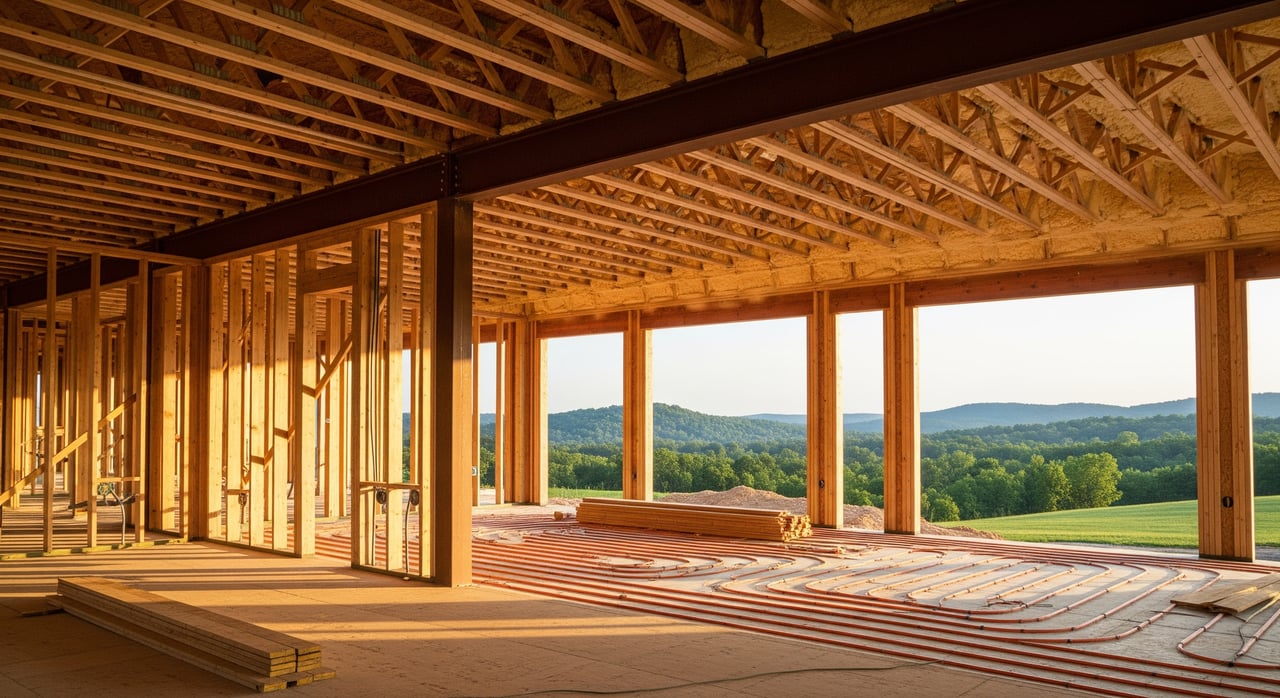
A pre‑drywall inspection happens after framing and rough mechanicals are in place but before insulation and drywall. You’ll often hear it called a rough‑in or pre‑sheetrock inspection. At this stage, framing, roof sheathing, windows, plumbing, electrical, HVAC, and gas lines are visible and accessible.
The main goals are simple and important:
- Verify structural framing and visible connectors follow the plans.
- Confirm plumbing, electrical, HVAC, and gas rough‑ins are routed, supported, and sized correctly.
- Check moisture control details like flashing, housewrap, and roof underlayment.
- Confirm fire blocking and draftstopping where required.
- Note blocking for cabinets, rails, and fixtures.
- Produce a photo‑rich report that the builder can use to correct issues before walls close.
Best timing in Ooltewah
You want to book the inspection after framing is complete, the roof is underlayment or shingled, and windows are set. Trades should have finished their rough work, and all penetrations should be visible. This gives your inspector full access to evaluate the systems that matter most.
Build in a buffer of several days, ideally a week or more, so the builder has time to make corrections. If needed, plan a re‑inspection before insulation and drywall crews arrive. A clean, accessible site makes the process faster and more accurate.
Who attends and what they do
- Buyer’s independent inspector. Leads the technical review and delivers a written, photo‑documented report.
- Builder’s superintendent or site foreman. Receives findings, explains methods, and schedules corrections.
- You and your real estate agent. Attend if allowed to see issues firsthand and ask questions. Policies vary by builder.
- Code inspector. Performs required municipal inspections separately from your inspector. These determine permit approvals.
- Lender draw inspector. May verify milestone completion for construction draws when applicable.
What inspectors check
Structural and framing
Inspectors confirm that load‑bearing walls, headers, beams, and supports align with the plans. They review truss or rafter installation, bracing, and nailing patterns where visible. They also look for proper connectors such as straps and joist hangers and verify backing for heavy fixtures or rails.
Exterior envelope and moisture
In warm‑humid East Tennessee, moisture management is critical. Your inspector checks window and door flashing, housewrap continuity, and sealed penetrations. Roof sheathing, underlayment, and vent flashing should appear properly installed to shed water.
Plumbing rough‑in
Expect a review of drain waste vent slopes and supports, hot and cold water line routing and clearances, and gas line supports and caps where present. The water heater location and needed clearances are noted for future verification.
Electrical rough‑in
Inspectors look at panel location, grounding and bonding where visible, and wiring routes that avoid conflicts with other systems. They confirm box depth for finished wall thickness and rough‑in locations for smoke and CO detectors.
HVAC rough‑in
Duct runs should be supported and sealed where accessible, and returns and registers should be reachable after drywall. Inspectors note air handler location, combustion air needs if applicable, and condensate line slope and traps.
Fire safety and code items
They check for fire blocking and draftstopping at wall tops and penetrations and review stair framing and handrail blocking. In attached or multi‑family situations, required fire separations are examined at this stage.
Miscellaneous details
This includes cabinet blocking, shower niche framing, tub/shower valve heights, attic access framing, and ventilation openings. Site drainage, grading at the foundation, and any crawlspace vapor barrier are also noted.
Ooltewah‑specific factors to watch
Permits and local enforcement
New single‑family homes in Ooltewah are permitted and inspected by local authorities in Hamilton County or the relevant municipality. Ask your builder which agency is handling inspections and which residential code edition is enforced.
Climate and moisture control
Eastern Tennessee’s warm‑humid climate increases the risk of moisture problems. Proper flashing, weather‑resistant barriers, roof drainage, and ventilation keep water out and allow assemblies to dry. Your inspector will pay close attention to these details.
Grading and drainage on rolling lots
Ooltewah’s terrain makes water management essential. Inspectors look at grading around the foundation, downspout discharge paths, and runoff flow. Sloped lots may use stepped footings or retaining walls that should already be visible.
Termite protection
Tennessee has active termite populations. Common builder practices include treated sill plates, termite shields, or soil pretreatment. Ask for documentation of the termite protection used on your home and where it is recorded for warranty.
Energy readiness
Energy code compliance is verified later, but the pre‑drywall stage affects air sealing and insulation performance. Inspectors note penetrations that must be sealed, continuity of the future air barrier, and rough openings that influence insulation fit.
Common issues and typical fixes
Even with quality builders, punch‑list items are normal at rough‑in. Here are common findings and how they are usually addressed:
- Missing or improper flashing at windows and doors. Builders install or correct flashing and integrate it with housewrap.
- Unsealed penetrations that can leak air or moisture. Crews seal these with appropriate tapes, sealants, or gaskets.
- Ducts lacking support or with loose joints. HVAC teams add hangers and reseal connections.
- Electrical boxes set too deep or shallow. Electricians adjust box extensions or placement.
- Insufficient blocking for cabinets or rails. Framers add backing at marked locations.
- DWV lines with poor slope or support. Plumbers add hangers or adjust piping runs.
- Missing fire blocking or draftstopping. Framers install fire blocking at required locations.
- Roof/sheathing fastener or opening issues. Framers add fasteners or trim and finish openings.
- Poor site drainage at the foundation. Builders adjust grade or extend downspouts.
Most fixes are straightforward and completed in days to a couple of weeks, depending on trade schedules. Structural corrections or essential safety items are prioritized and may require re‑inspection before work continues.
How to prepare as a buyer
Use this checklist to make your inspection smooth and productive:
- Hire an inspector who specializes in new construction and knows Hamilton County practices.
- Confirm your builder’s policy on buyer inspections and access hours.
- Schedule early enough to allow repairs and a re‑inspection before insulation.
- Share the latest plans and permit number with your inspector if available.
- Wear closed‑toe boots and follow all site safety guidance.
- Request a detailed report with photos and target timelines for corrections.
- Keep copies of all code sign‑offs and your inspector’s report together.
After the inspection
Review the report with your builder’s superintendent and agree on next steps in writing. Ask when each correction will be completed and whether a re‑inspection or photo verification will follow. Clarify how warranty coverage applies to items that are fixed later or discovered after drywall.
Stay engaged through this stage. Clear communication keeps your build on schedule and protects long‑term performance.
Make it easier with a local guide
Pre‑drywall is where long‑term quality is won or lost. You do not need to navigate it alone. As a Chattanooga‑based team with deep new‑construction roots in Ooltewah, we help you plan the right timing, coordinate with your builder, and keep the process on track from lot selection to final walkthrough. Ready for a smoother path From Dirt to Doorstep? Connect with Jooma Homes LLC to get started.
Start your From‑Dirt‑to‑Doorstep journey with Jooma Homes LLC.
FAQs
What is a pre‑drywall inspection and why does it matter?
- It is a detailed review of framing and rough‑in systems before insulation and drywall, giving you a last practical chance to catch and fix hidden issues.
When should I schedule a pre‑drywall inspection in Ooltewah?
- Schedule after framing, roof underlayment or shingles, and window installation, but before insulation, with several days of buffer for repairs and re‑inspection.
Who should attend my pre‑drywall inspection?
- Your independent inspector leads; the builder’s superintendent receives findings. You and your agent may attend if allowed. Code inspections occur separately.
What problems are most common at this stage?
- Typical items include missing flashing, unsealed penetrations, unsupported ducts, mis‑set electrical boxes, missing blocking, and incomplete fire blocking.
How long do pre‑drywall fixes usually take?
- Most corrections take days to a couple of weeks based on trade availability. Safety or structural issues are prioritized and may require immediate re‑inspection.
What Ooltewah‑specific risks should I ask about?
- Focus on moisture control in a warm‑humid climate, grading and drainage for rolling lots, and termite protection documentation for long‑term durability.
