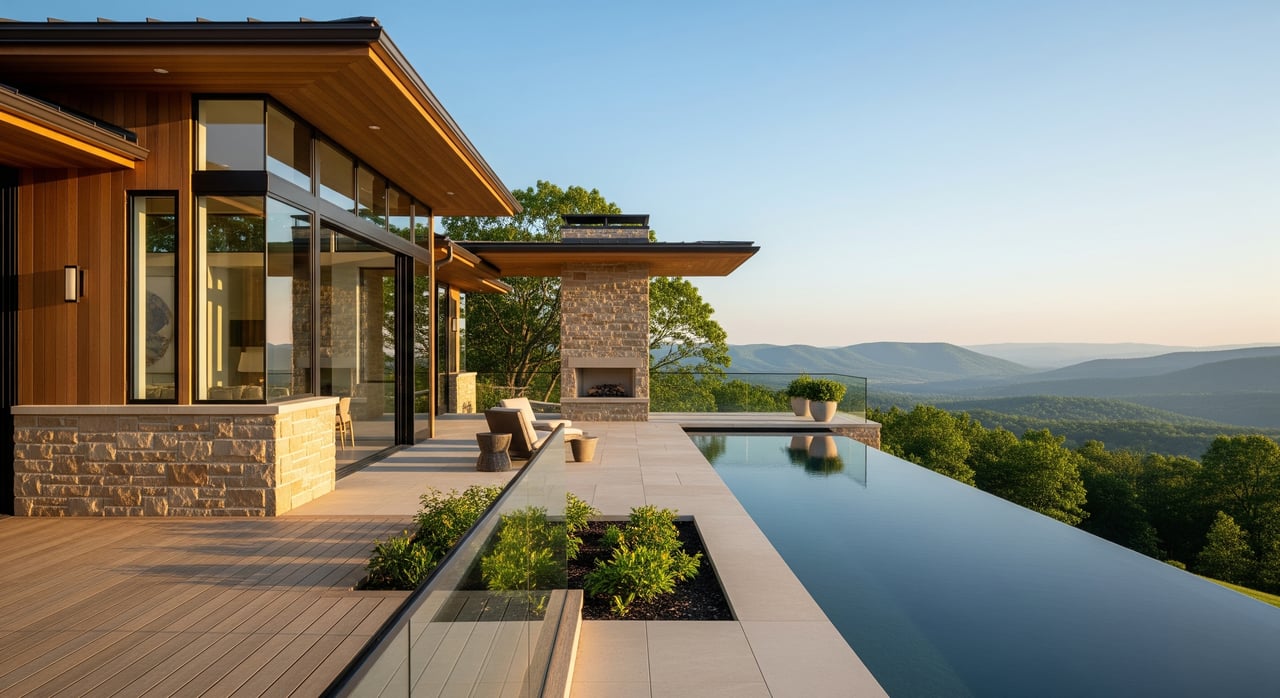
Is pricing a Signal Mountain home as simple as checking county averages? Not here. On the mountain, views, lot usability, and even driveability can swing value more than you might expect. If you are buying or selling, you need a hyper-local plan that reflects real sales in your exact neighborhood.
In this guide, you will learn how Signal Mountain’s unique features affect price, what data to gather before you act, and proven steps to set or evaluate a smart number. You will also get practical tips for offers, negotiations, and avoiding common pitfalls. Let’s dive in.
What moves price in Signal Mountain
Signal Mountain is a small market where micro-location matters. A few streets or a ridge-top position can change value.
- Views and topography: Panoramic valley views often command premiums. Steep slopes can limit usable yard space and affect price.
- Lot size and privacy: Larger lots and wooded settings can increase appeal for many buyers.
- Access and driveability: Long, winding, or steep drives and winter maintenance concerns may reduce the buyer pool.
- Proximity to services: Shorter drives to downtown Chattanooga, groceries, schools, and medical services tend to boost demand.
- Community amenities: Parks, trails, village-center shops, and community events add lifestyle value.
- Home character and age: Established neighborhoods with well-kept homes can trade differently than newer subdivisions.
- Supply constraints: Limited developable land on the ridge can support higher prices when demand is steady.
- New developments: A fresh wave of listings in one subdivision can temporarily increase supply and soften price growth.
- Seasonality: Spring and summer often showcase outdoor spaces best, which can help presentation and buyer interest.
Data to gather before you price
A solid price starts with current, local data. In a small market, stale or broad averages can send you off course.
- Recent sold prices: Target 3 to 6 comparable sales in Signal Mountain from the last 3 to 6 months. Expand to 12 months if sales are sparse.
- Active and pending listings: Know your current competition and where buyers are writing offers.
- Market heat indicators: Track days on market, list-to-sale price ratios, and sale-price trends.
- Price per square foot trends: Use PPSF only as a rough check. Adjust for view, lot usability, finishes, and age.
- Inventory levels: Months of supply tells you if it is favoring buyers or sellers.
- New construction versus resale: New builds can set ceilings for finishes and price expectations.
- Financing climate: Interest rates and lending standards affect affordability and demand.
- Carrying costs: Confirm property taxes, any HOA fees, and special assessments.
- Zoning and use limits: Check local ordinances, conservation areas, flood maps, and easements that may affect a property’s value.
- School boundaries: Boundaries and school information can influence buyer demand. Use neutral, factual data.
- Concessions: Note recent seller-paid closing costs or other concessions common in current contracts.
Seller strategy: Set the right list price
Your price should reflect both your goals and market reality. Start with clarity, then build your case.
Clarify your goals
- Timeline: Are you on a must-sell schedule or can you wait for the right buyer?
- Net proceeds: Estimate your costs and typical concessions so you know your bottom line.
- Contingencies: Decide how flexible you are on inspections, repairs, and appraisal gaps.
Build a local CMA
- Select true comps: Choose 3 to 6 recent solds in the same neighborhood or micro-area, plus 2 to 4 pendings and relevant actives.
- Adjust thoughtfully: Compare beds, baths, finished square feet, lot and view, age and condition, updates, garage capacity, and major systems.
- Validate PPSF: Use it as a cross-check, not a driver. Features and condition should lead your adjustments.
Choose pricing tactics
- Slightly under market: Can spark multiple offers if inventory is tight. Use with care and proof from recent pendings.
- At market: Balanced strategy that attracts serious buyers searching within your price band.
- Above market: Risks fewer showings and a longer listing. If you test high, make fewer, strategic reductions rather than many small cuts.
- Mind search bands: Price around common filters, such as key round numbers, to stay visible to the right buyers.
Make small, high-return improvements
- Quick wins: Fresh neutral paint, deep cleaning, decluttering, curb appeal, and light staging.
- Targeted updates: Minor kitchen and bath refreshes can help when comps support an elevated bracket.
- Be selective: Only invest where the expected price lift is clear in the comps.
Time and market your launch
- Pro photos: Showcase views, outdoor spaces, and natural light.
- Local lifestyle: Highlight trails, parks, and village amenities in your description.
- Early exposure: Coordinate showings and an open house to capture peak attention in the first two weeks.
Buyer playbook: Evaluate price and compete smart
If you understand hyper-local comps and terms, you can compete without overpaying.
Prepare to act
- Strong pre-approval: Secure a lender letter. A deeper commitment letter can help in competitive situations.
- Work with a local agent: You need micro-market insight for the exact streets you want.
Evaluate the asking price
- Lean on nearby solds: Compare against recent closed and pending sales in the same neighborhood.
- Adjust for features: Factor in views, lot usability, updates, and any condition issues that photos may hide.
- Know carrying costs: Confirm taxes and any HOA-related fees.
Craft a competitive offer
- Use terms, not just price: Consider flexible closing dates, stronger earnest money, or a seller rent-back if you need to stay within budget.
- Escalation clauses: Useful when clearly drafted and capped at a number you can support.
- Appraisal planning: Avoid waiving this contingency unless you can cover a gap with cash.
- Inspection strategy: Keep the contingency. Negotiate repairs or credits rather than walking by default.
If a listing feels overpriced
- Bring receipts: Attach your written comp analysis with the offer.
- Negotiate with findings: Use inspection results, appraisals, or market time to seek reductions or concessions.
Build and read a Signal Mountain CMA
A repeatable process makes your price more defensible.
Step-by-step workflow
- Define the subject: Beds, baths, finished square footage, lot size, age, condition, view, outdoor space, parking, and exact neighborhood.
- Source comps: Gather 3 to 6 solds from the last 3 to 6 months nearby. Add 2 to 4 pendings, plus relevant actives for context.
- Normalize metrics: Use finished square feet for PPSF comparisons and note list-to-sale ratios.
- Adjust qualitatively: Account for bedroom and bathroom count, finish level, view quality, lot usability, and major system age.
- Set a price range: Present a narrow range with a recommended target and a clear rationale tied to comps and competition.
- Check market feedback: If showings lag after 10 to 14 days, reassess price band placement, marketing, and buyer feedback.
Common adjustments to consider
- View premium: Verify with solds that have similar views. Do not assume a flat add-on.
- Lot usability: A flat backyard can be more valuable than raw acreage with steep slopes.
- Finished lower levels: Count only finished, heated space in the main square footage.
- Parking and storage: Extra garage bays typically add value in suburban and mountain settings.
- Recent renovations: Kitchens and baths move value, but only when the neighborhood supports the higher bracket.
Common pitfalls to avoid
- Relying only on PPSF: It ignores view, lot, and condition differences that drive price here.
- Using broad averages: County or regional numbers are not precise enough for Signal Mountain.
- Missing seasonality: Timing and presentation matter, especially for outdoor features.
- Over-improving: Do not renovate past what local buyers will pay for in your micro-area.
When new construction enters the picture
New construction can influence resale pricing by setting finish standards and price ceilings. If a nearby subdivision releases inventory, it can temporarily widen buyer choices and moderate price growth for resales. On the flip side, limited new building on the ridge can make updated resales more competitive.
If you are weighing a custom build versus buying resale, compare total cost, timeline, and the specific lot features you value most, such as view corridors, driveway slope, and yard usability. A lot-to-key approach can help you weigh tradeoffs and arrive at the best fit for your budget and goals.
Ready to price with confidence
Whether you are listing a ridge-top retreat or competing for a move-in-ready home near the village center, you deserve a local plan built on fresh Signal Mountain comps. We can help you gather the right data, craft a pricing strategy, and adjust quickly as the market responds.
If you want clear guidance and a calm, step-by-step process, reach out to the local team that treats you like family. Connect with Jooma Homes LLC to build your Signal Mountain pricing strategy today: Jooma Homes LLC.
FAQs
How do views affect Signal Mountain prices?
- Views often command a premium, but it varies by neighborhood and view quality. Verify by comparing recent solds with and without similar views nearby.
How fresh should comps be for pricing a home?
- Aim for sales from the last 3 to 6 months in the same micro-area. Expand to 12 months only when recent sales are limited.
Should I renovate before listing on Signal Mountain?
- Invest in targeted cosmetic upgrades with clear ROI supported by comps. Major remodels make sense only if comparable sales support the higher bracket.
What role do appraisals play in this market?
- Appraisals generally support prices near recent neighborhood solds. If you price above those solds, be ready to address appraisal gaps or adjust terms.
What if my listing stalls after two weeks on market?
- Reassess your price band, marketing, and feedback. Consider a measured adjustment rather than multiple small reductions and re-launch exposure where possible.
